
The Blueprint for Market-Making Luxury BNBs: How Design & Taste Shattered Austin’s Glass Ceiling
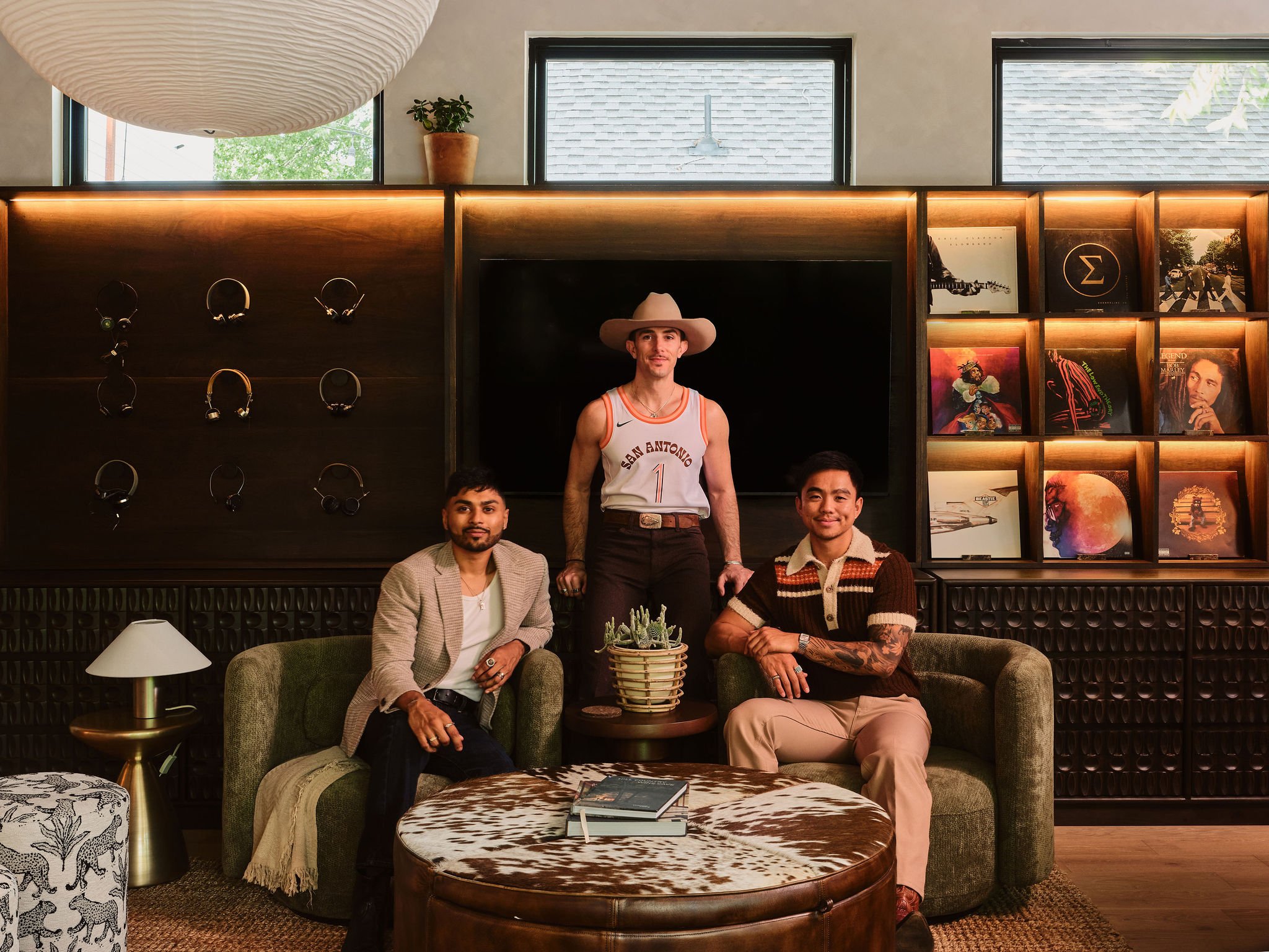
Charles Vesley, Tim Stanton & Devin Dang share key insights about the state of the luxury BNB marketing in Austin, Texas.
Find and Command Your Unique Premium
Most real estate investors and property owners enter the luxury hospitality conversation asking the same fundamental question: How do we build a true, market-making short-term rental (STR)? The answer requires an honest look at our home city. Austin has grown up, but for years, the short-term rental market failed to grow with it.
Recently, Reclamation hosted an immersive evening of curated sound, high-level dialogue, and strategic forecasting for Austin’s top real estate developers, private equity investors, and visionaries. Recognized by Modern Luxury magazine for engineering the city’s next cultural and architectural frontier, our design studio unveiled the blueprint for creating category-defining, high-yield luxury properties in 2026 and beyond.
The Downstream Effect: The Math Underwriting Austin’s Luxury Boom
Why does Austin’s macroeconomic trajectory matter so deeply to luxury STR owners? Because of what happened downstream of the wealth migration. Between 2013 and 2023, Austin’s resident millionaire population grew by 110%, the largest percentage leap in wealth of any metropolitan area in the United States. Prior to 2016, Austin’s hospitality identity was defined primarily by casual dining, local shops, and mid-range accommodations. Today, Michelin-starred restaurants, world-class luxury hotels, and global fashion flagships define our urban fabric.
These ultra-luxury corporations didn’t land in Central Texas by accident. They moved here because their armies of data scientists and risk-mitigation professionals did the calculus to confirm that Austin residents and visitors possess the disposable income to absorb top-tier luxury products and experiences. The resounding answer was an unequivocal yes. Yet, as top-tier luxury capital flooded the market, short-term rental owners made a critical misstep in how they attempted to differentiate their properties.
Luxury Brands Entering Austin
2018 Fairmont Austin - Hospitality
2019 Austin Proper Hotel - Hospitality
2019 Comedor - Dining
2019 Hestia - Dining
2020 Aba - Dining
2020 Commodore Perry Estate - Hospitality
2021 Lutie’s Garden Restaurant - Dining
2021 Sammie's Italian - Dining
2021 Saint Laurent - Retail
2021 Soho House Austin - Hospitality
2021 Tsuke Edomae - Dining
2022 Gucci - Retail
2022 Hermès - Retail
2022 Thompson Austin - Hospitality
2023 Balenciaga - Retail
2023 Christian Louboutin - Retail
2023 Craft Omakase - Dining
2023 Simi Estiatorio - Dining
2024 Christian Dior - Retail
2024 Moncler - Retail
2024 The Webster - Retail
2025 Jacques Marie Mage - Retail
2025 The Inn at Green Pastures - Hospitality
2026 1 Hotel Austin - Hospitality
2026 Cartier - Retail
The Amenity Trap: Competing on a Single Dimension
For the last decade, the standard playbook for a "$1.5M+ luxury BNB" in Austin was predictable: buy a high-value property, install a pool, add a sauna, put a mini putt-putt course in the yard, and stack the interior with retro arcade games and a place for karaoke. What our team at Reclamation realized was that 95% of self-proclaimed "luxury properties" were competing on a single, narrow dimension: amenities.
When it came to a high level of taste and design, these properties weren't even participating on the spectrum. Regardless of whether a house cost $400,000 or $4,000,000, the interior execution was identical… colorful, chaotic, predictable, kitschy, and devoid of cohesion and character.
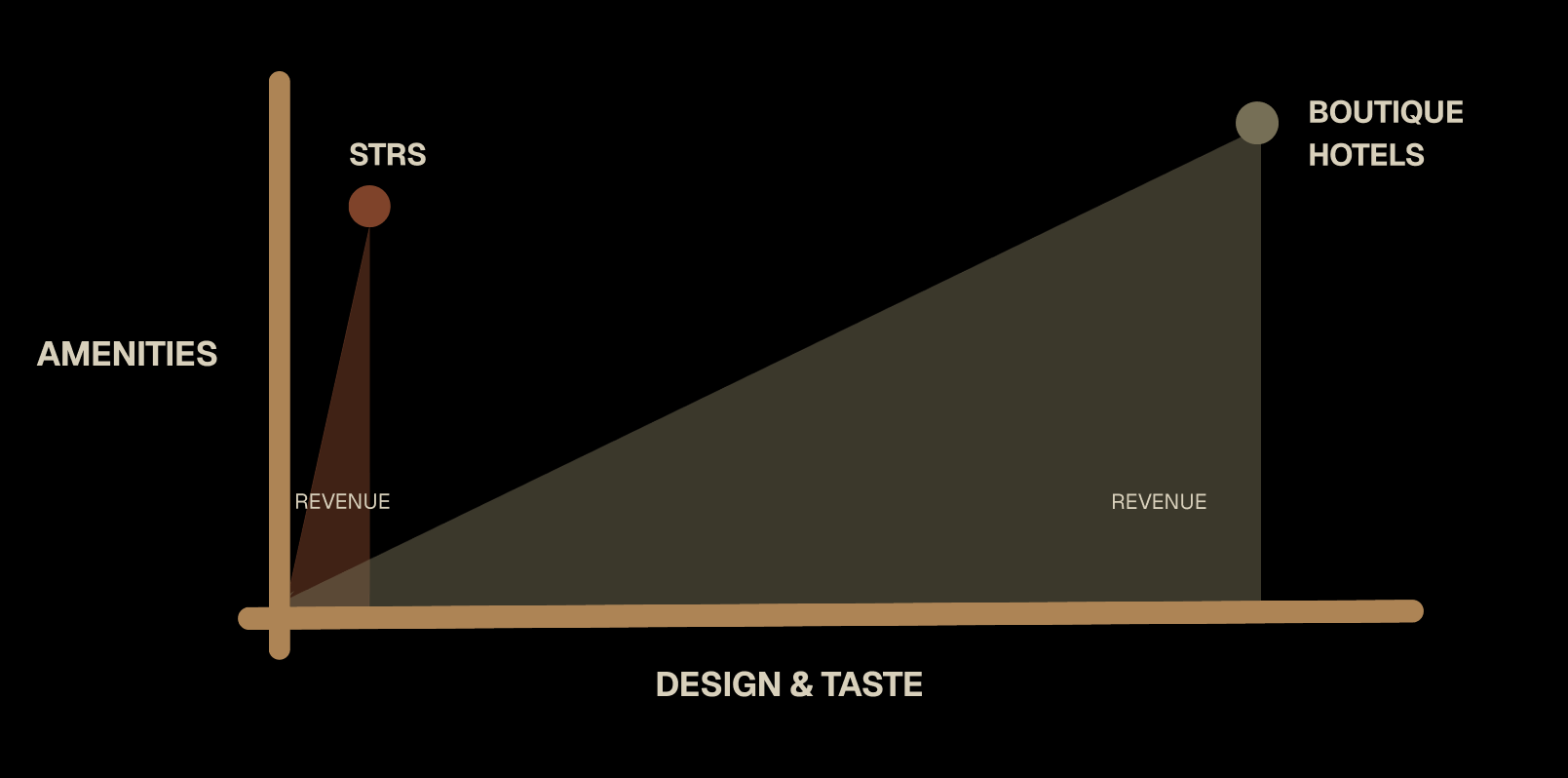
Why standard STRs design hit a ceiling:
Lack of Cultural Membership: True luxury requires cultural membership, the feeling that a property is natively woven into the intellectual, artistic, and social fabric of its destination. Standard STRs lack any real identity or cultural contribution.
Templated Executions: Design was treated as an afterthought or a one-size-fits-all staging exercise.
A Race to the Bottom: Adding more gadgets and games diluted sophistication rather than elevating the asset.
In a hyper-growth market lacking curated options, kitsch accidentally became the norm simply because guests had no alternative. But as high-net-worth travelers flooded Austin, amenity-stacking hit a wall of diminishing returns.
The Reclamation Thesis: Elevating Table Stakes to Boutique Hotel Luxury
Three years ago to the day, Reclamation founded its design practice on a bold core hypothesis:
Amenities are merely table stakes. A pool, cold plunge, or sauna is no longer a luxury differentiator, it is the baseline expectation.
Design is the ultimate alpha. By introducing boutique-hotel level architectural rigor, bespoke curation, and authentic cultural elements into large-format residential properties, short-term rentals can directly steal market share from luxury boutique hotels like the Austin Proper and The Carpenter Hotel.
The Yield: Because short-term rentals offer large-format group layouts that hotel suites cannot replicate, pairing high-capacity layouts with ultra-luxe design produces outsized, asymmetric financial returns that shatter market comps.
Case Study: The Infamous $90,000 Booking at SoundHaus
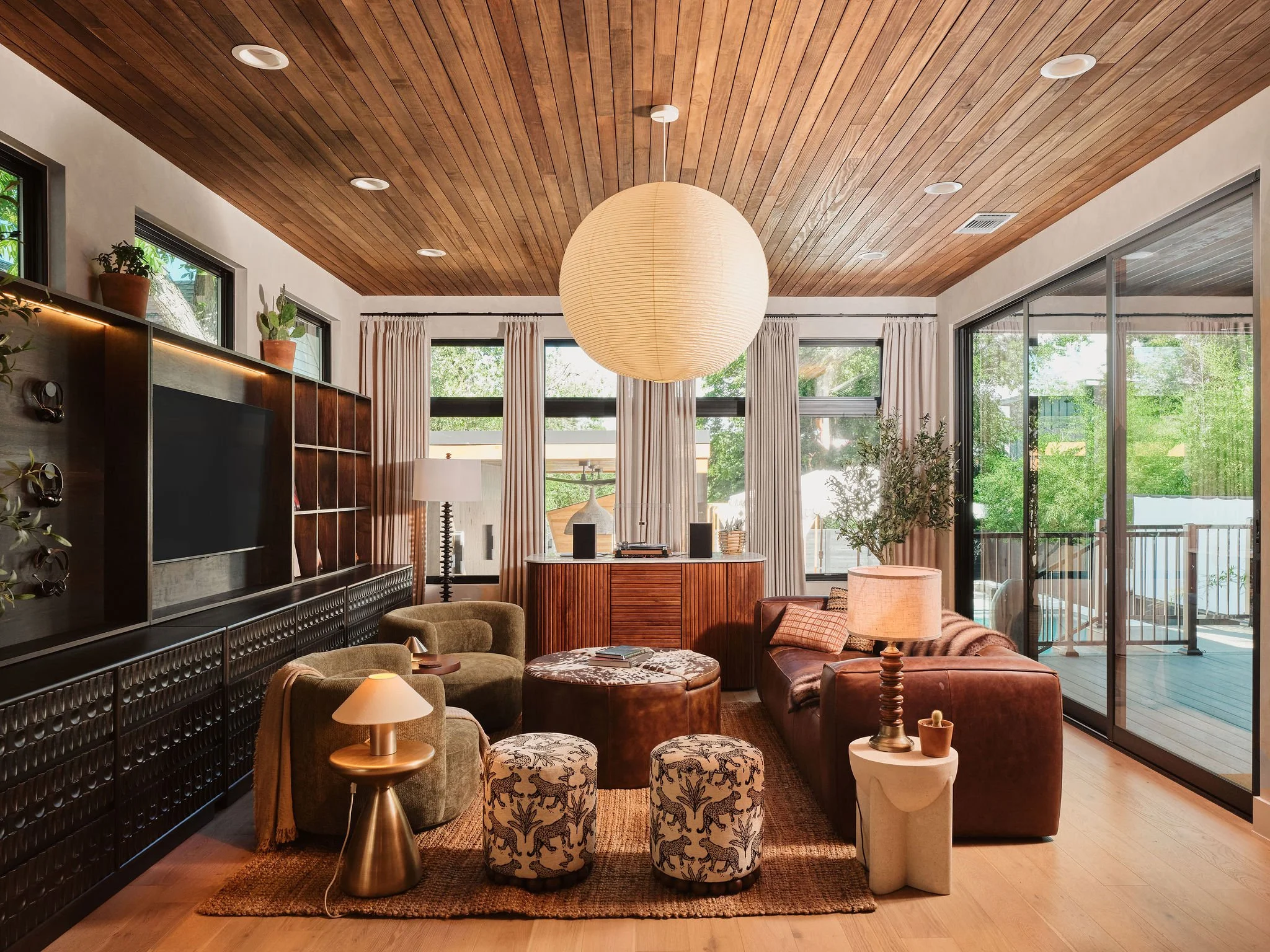
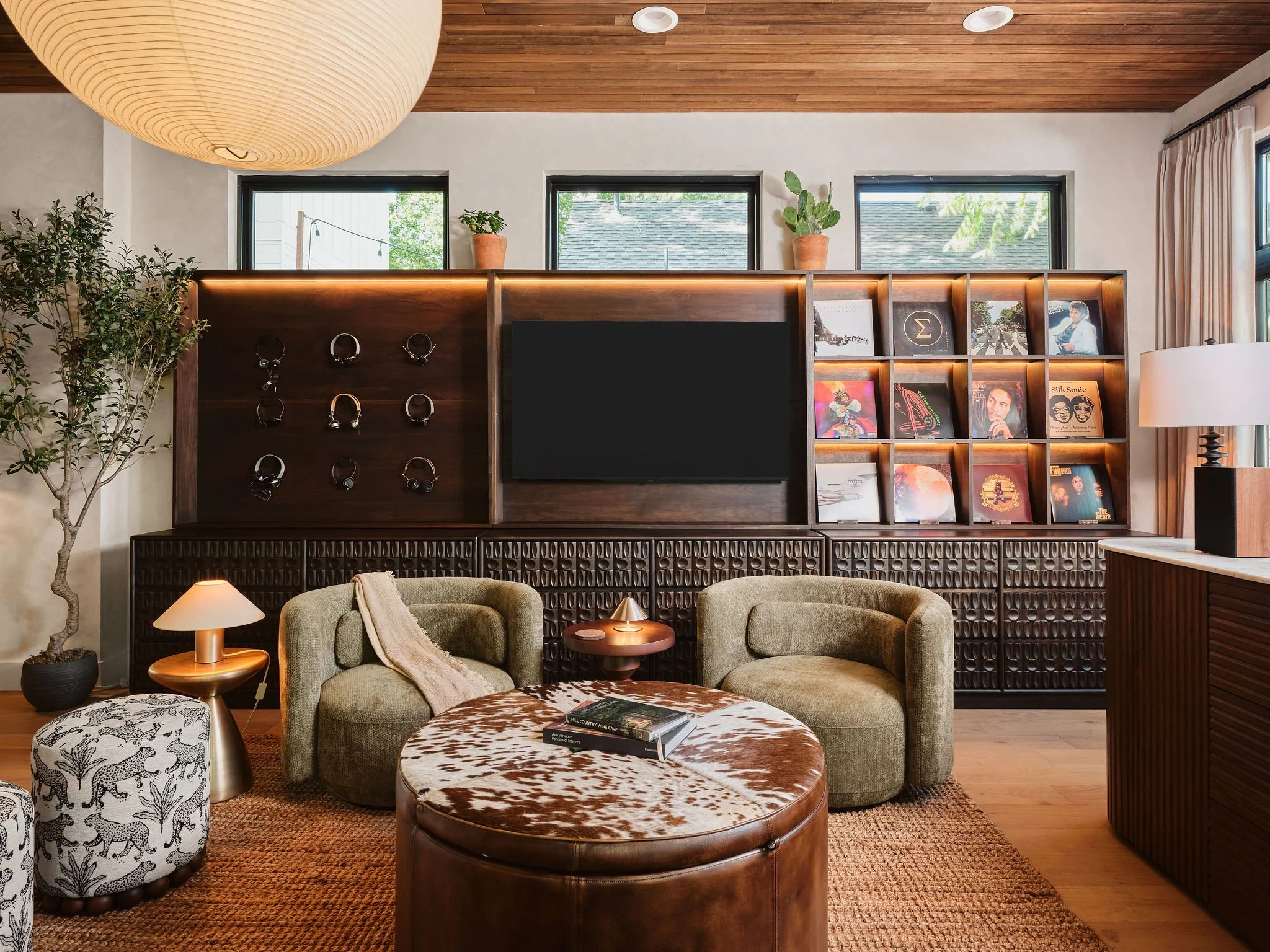
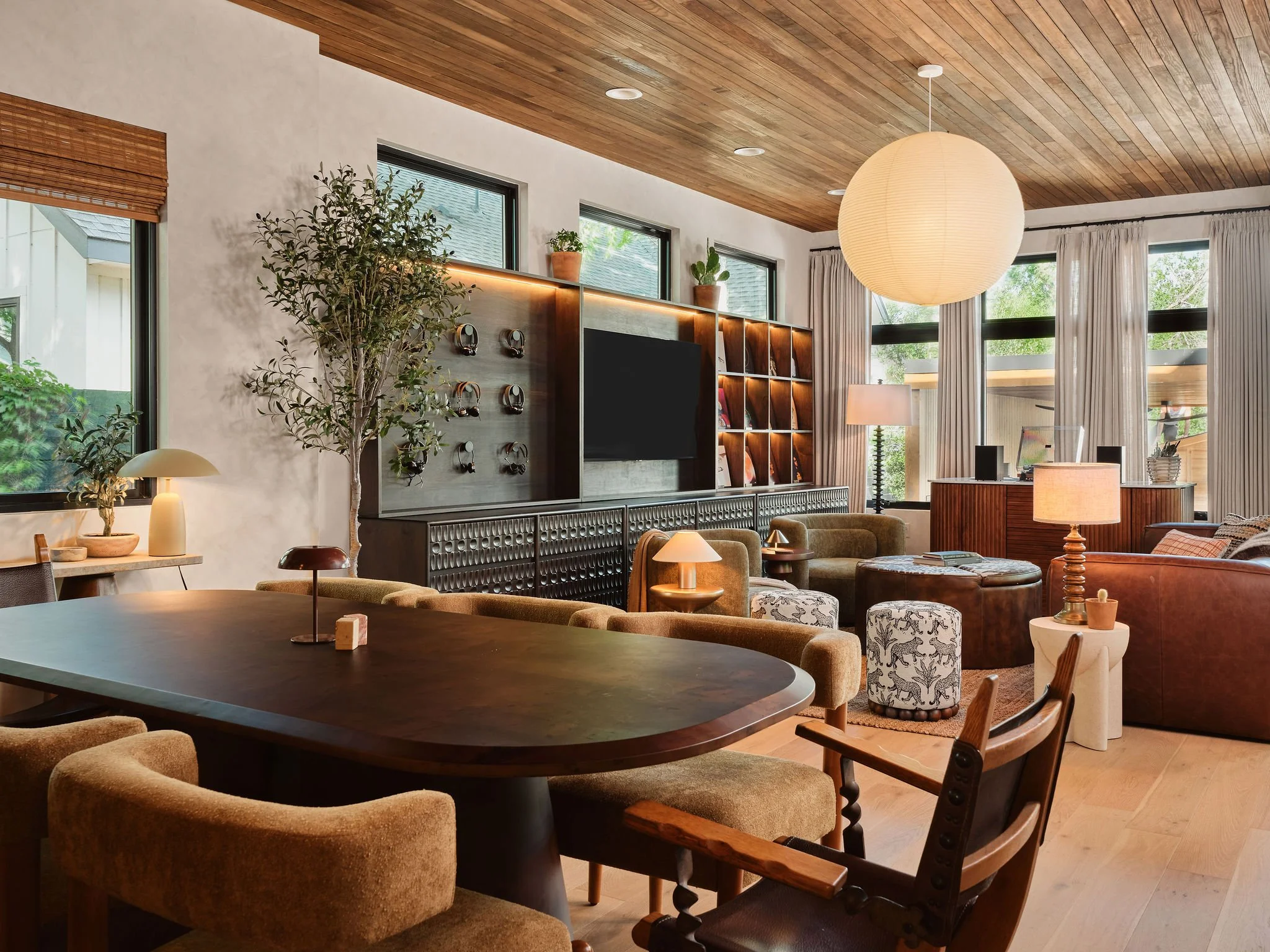
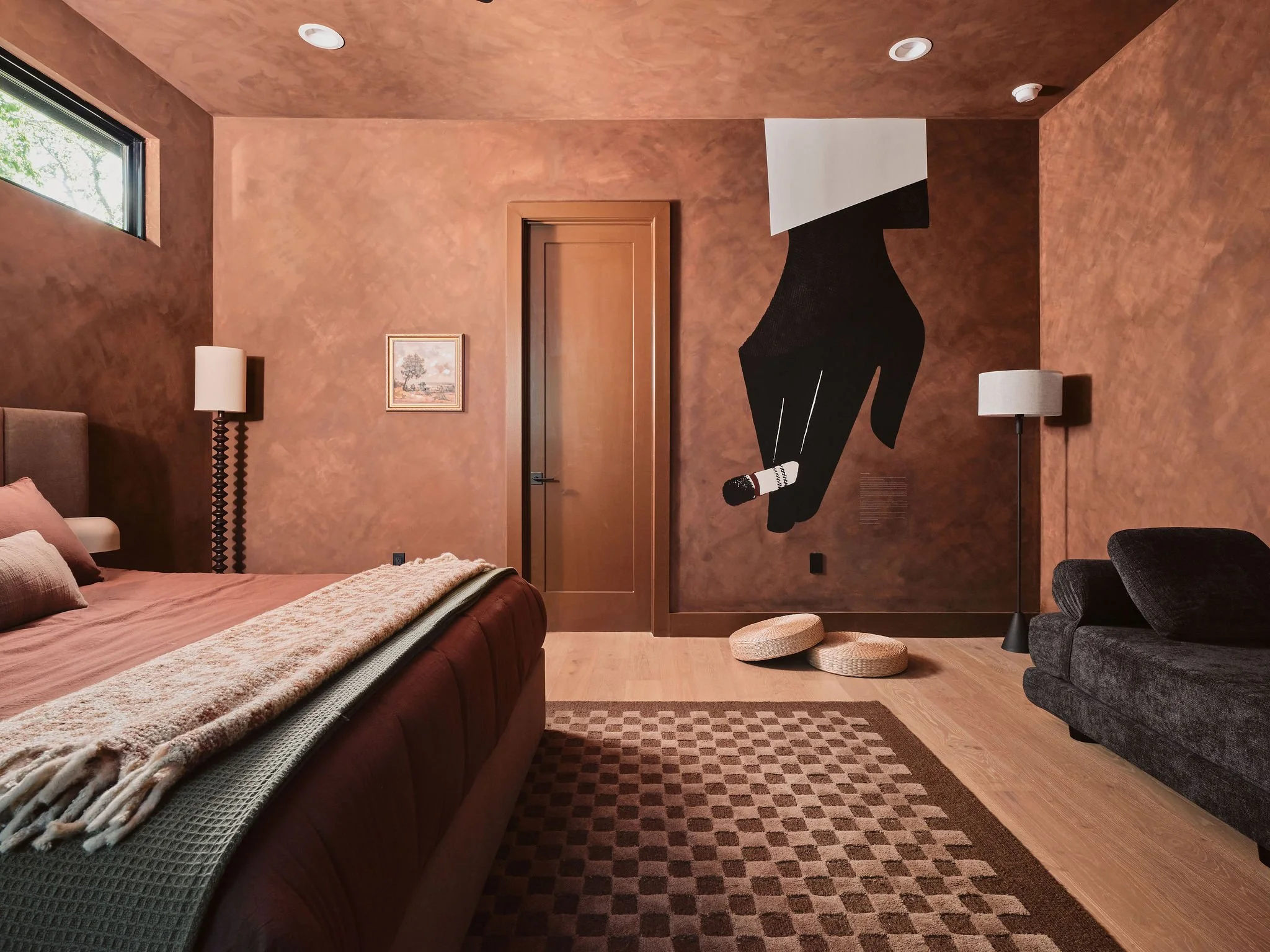
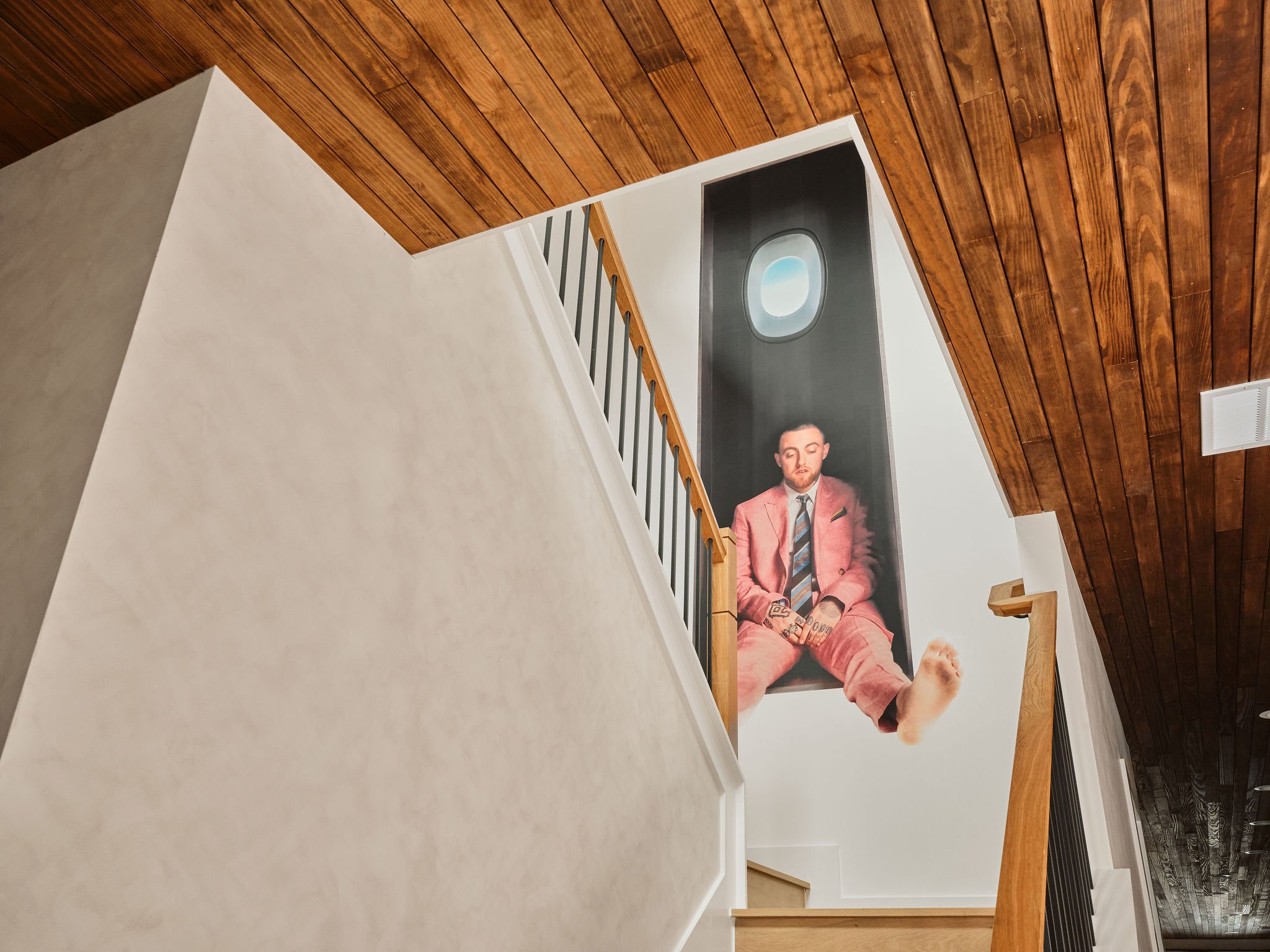
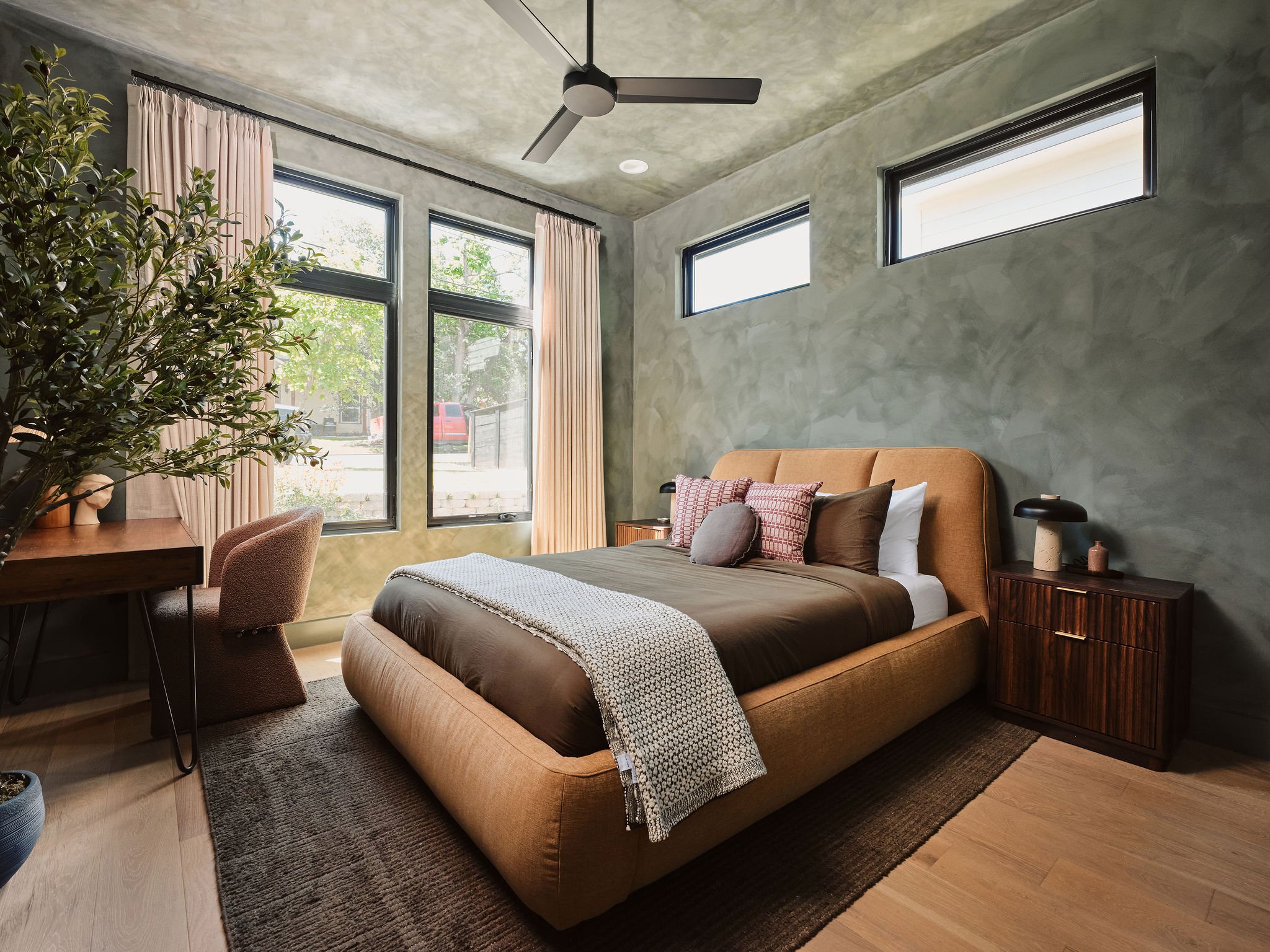
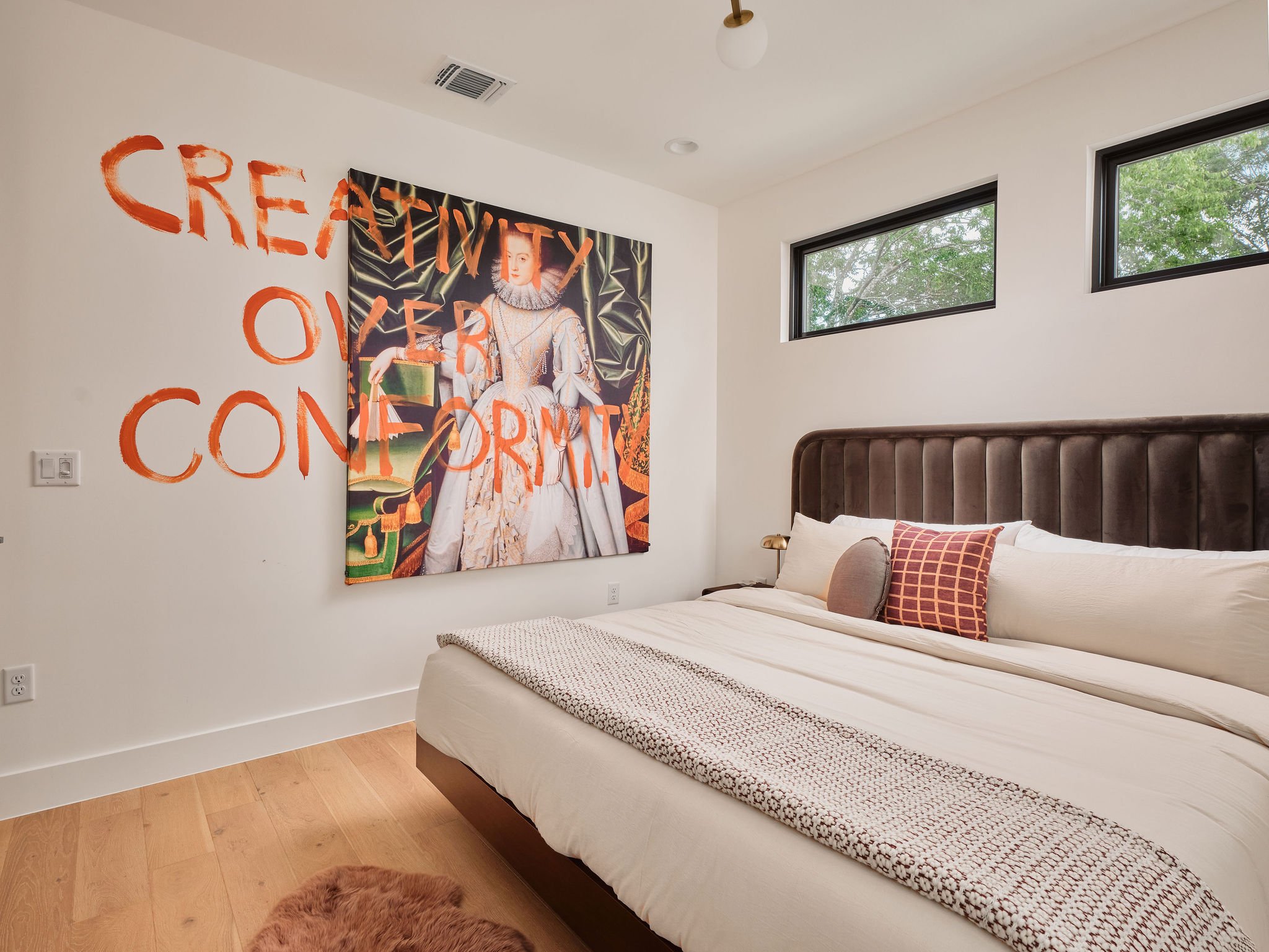
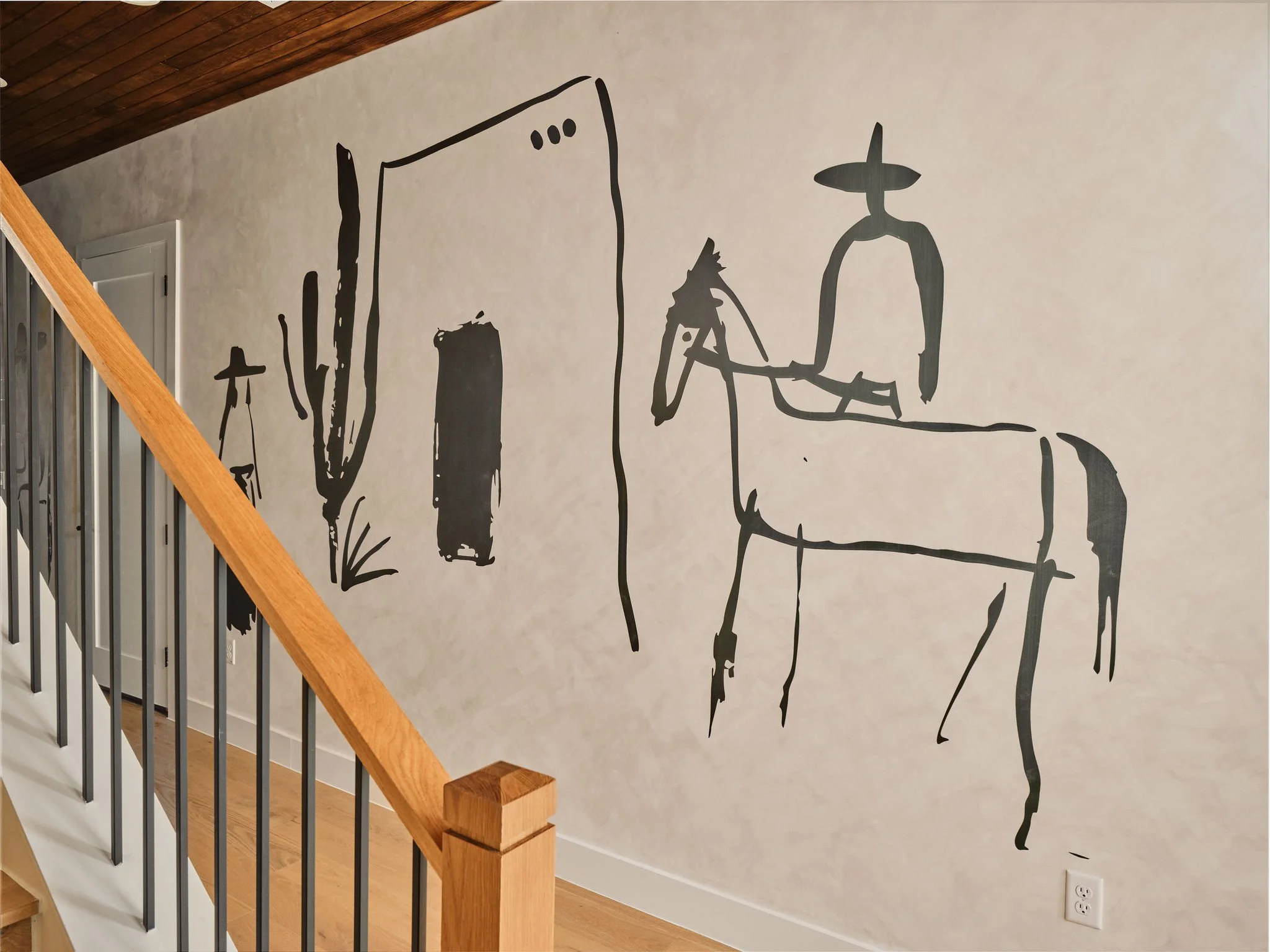
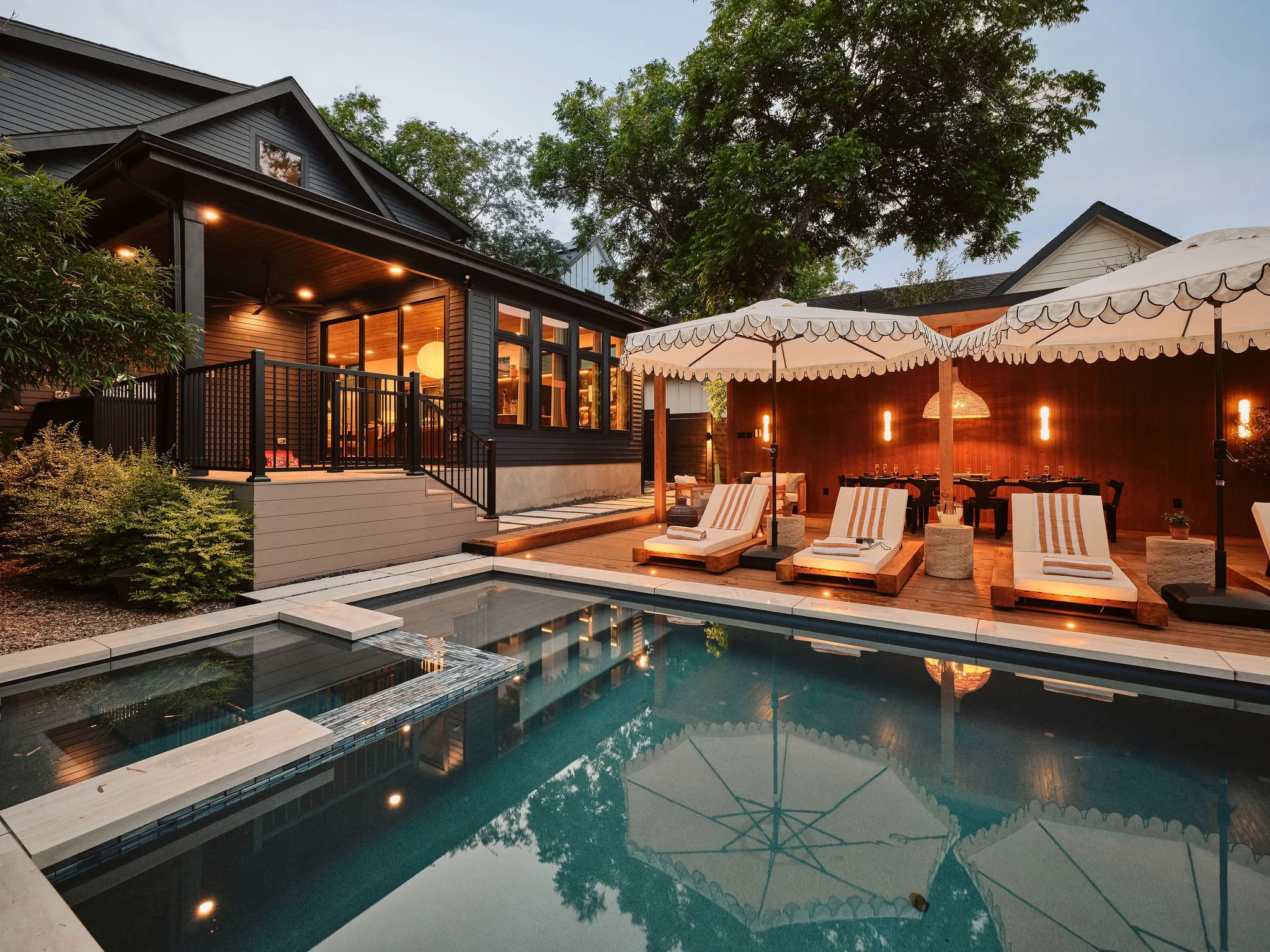
In 2026, our thesis was put to the ultimate test with our flagship project, SoundHaus. When Reclamation engineered the spatial layout, material palette, custom furnishings, and identity for SoundHaus, market skeptics claimed short-term rentals in Austin had a fixed ceiling on the daily rate and total revenue. The market proved otherwise... Within its first 30 days of launch:
SoundHaus generated nearly $200,000 in gross bookings.
It secured a single, two-month booking for $90,000.
By stepping out of the amenity rat-race and elevating the property into a high-design experience that tells a story rooted in the musical history of Austin, SoundHaus bypassed traditional STR comps entirely. It proved that ultra-high-net-worth guests will pay boutique hotel rates, for spaces that deliver authentic taste, privacy, and cultural relevance.
The 5-Year Outlook: Capital Influx and Asymmetric Returns
The success of SoundHaus demonstrated that the glass ceiling capping the luxury STR category in Austin has been permanently shattered. Over the next five years, we predict a massive influx of capital into the luxury short-term rental sector. Investors and institutional funds are recognizing that high-design, culturally resonant hospitality assets deliver outsized asymmetric returns that standard real estate portfolios cannot match.
Properties relying strictly on "saunas and putt-putt greens" will face margin compression, while design-forward, market-making assets will continue to command premium ADRs and long-term booking velocity.
